

Aarogyasri ortho care services | Knee Cartilage Damage Symptoms
Have you ever noticed a clicking or popping sound when bending your knees, walking, standing up or climbing stairs? These sounds are quite common and may occur even without pain. However, when knee clicking is accompanied by swelling, stiffness or discomfort, it could indicate an underlying joint problem.
Understanding the reasons behind a knee clicking sound can help you identify whether it is harmless or requires medical attention. Several conditions, including cartilage damage, arthritis and ligament problems, can affect the normal movement of the knee joint.
If you frequently experience a knee popping sound or discomfort, consulting an orthopedic specialist can help identify the cause and prevent further complications. Let's understand the common causes, symptoms and treatment options.
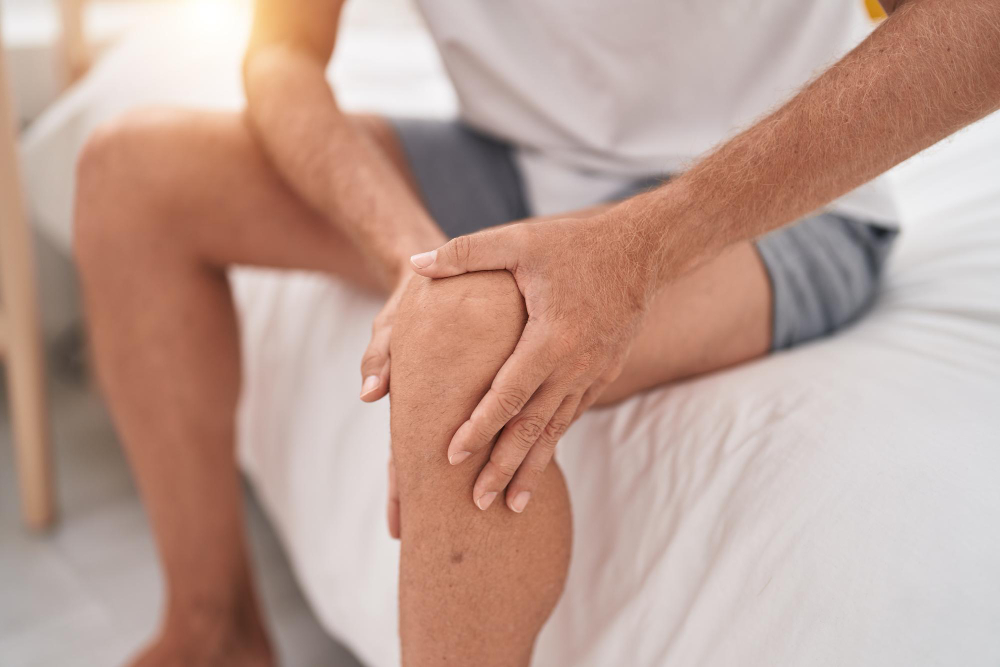
What Does It Mean When Your Knees Make Clicking or Popping Sounds?
A knee clicking sound refers to a small noise produced when the knee joint moves. This may happen during activities such as walking, squatting, stretching or bending your legs.
In medical terms, these sounds are sometimes called knee crepitus. They can occur due to gas bubbles within the joint fluid, movement of tendons or changes in the joint surfaces.
A clicking sound without pain or swelling is generally not a reason for concern. However, repeated sounds accompanied by discomfort should be evaluated by an orthopedic specialist.
What Are the Common Causes of Knee Clicking and Popping Sounds?
There are several possible causes of knee clicking, depending on your age, activity level and joint health. Some sounds occur naturally, while others may be associated with an underlying knee condition.
Common causes include:
- Gas Bubbles: Small gas bubbles within the joint fluid can create popping sounds during movement.
- Tendon Movement: Tendons may move over nearby bones and produce clicking noises.
- Cartilage Damage: Damaged or uneven cartilage can affect smooth joint movement.
- Meniscus Injuries: A torn meniscus may cause clicking, locking or pain.
- Osteoarthritis: Wear and tear of the joint cartilage can create grinding or popping sensations.
- Ligament Injuries: Certain ligament problems can affect knee stability and movement.
Identifying the actual cause is important for choosing the right treatment. An orthopedic examination can help determine whether the sounds are related to normal joint movement or an underlying condition.
Is Knee Clicking Normal or a Sign of an Orthopedic Problem?
Occasional knee clicking without pain is usually harmless. Many healthy individuals experience joint sounds during everyday movements such as bending, stretching or walking.
However, a knee popping sound may require medical attention when it occurs with:
- Persistent knee pain.
- Swelling around the joint.
- Difficulty bending or straightening the leg.
- A feeling that the knee is giving way.
- Locking or restricted movement.
- Difficulty walking or climbing stairs.
If these symptoms continue, consult an orthopedic doctor for proper evaluation. Early assessment can help identify possible joint problems and guide appropriate care.
Can Knee Arthritis Cause Clicking or Popping Sounds?
Yes. Arthritis, particularly osteoarthritis, can cause clicking, grinding and popping sounds in the knee.
Osteoarthritis develops when the protective cartilage covering the ends of bones gradually wears down. This can increase friction between joint surfaces and affect normal movement.
Other symptoms may include:
- Morning stiffness.
- Joint swelling.
- Pain while walking.
- Difficulty standing for long periods.
- Reduced flexibility and movement.
Early diagnosis and appropriate knee pain treatment in Warangal can help manage symptoms and maintain joint function. Treatment depends on the severity of arthritis and the individual's overall health.
Does Cartilage Damage Cause Knee Popping?
Yes. Cartilage damage can contribute to abnormal sounds during knee movement. Healthy cartilage helps bones move smoothly against each other and reduces friction within the joint.
When this protective tissue becomes damaged, joint movement may become less smooth. Depending on the underlying condition, individuals may experience discomfort, stiffness or unusual sounds.
Common knee cartilage damage symptoms include:
- Pain during bending or squatting.
- Swelling after physical activity.
- Grinding or clicking sensations.
- Stiffness after sitting for long periods.
- Difficulty climbing stairs.
- Reduced knee movement.
These symptoms may also occur with other knee joint conditions, so proper examination is necessary to identify the cause.
Why Does Your Knee Make Clicking Sounds While Walking or Climbing Stairs?
Walking and climbing stairs place different levels of pressure on the knee joint. During these activities, the kneecap moves along a groove in the thigh bone.
If there are changes in cartilage, tendon movement or kneecap alignment, clicking sounds may become noticeable.
People with weak thigh muscles or existing knee joint problems may also experience discomfort during these movements.
If the sounds are accompanied by pain or instability, an orthopedic assessment is recommended to identify possible joint or movement-related problems.
What Are the Warning Signs That Accompany Knee Clicking?
A clicking sound alone may not indicate a serious condition. However, certain warning signs should not be ignored, especially when they develop suddenly or after an injury.
Watch for the following symptoms:
- Sudden swelling following an injury.
- Severe or persistent knee pain.
- Inability to put weight on the affected leg.
- Knee locking or difficulty straightening the leg.
- Repeated episodes of the knee giving way.
- Redness, warmth or fever associated with joint pain.
Sudden severe symptoms, particularly after an injury, require prompt medical attention. Early evaluation can help prevent further joint complications.
When Should You Visit an Orthopedic Clinic Near Me in Warangal?
If you are searching for an orthopedic clinic near me in Warangal, consider consulting a specialist when knee sounds are accompanied by pain, swelling or restricted movement.
You should seek an orthopedic consultation if:
- Knee discomfort continues for several days or keeps returning.
- Walking and climbing stairs become difficult.
- You experience repeated swelling or stiffness.
- Your knee feels unstable.
- You have a previous knee injury.
- Daily activities are affected by joint discomfort.
An experienced knee specialist in Warangal can evaluate your condition and recommend suitable treatment based on your symptoms and examination findings.
How Do Orthopedic Doctors Diagnose Knee Joint Problems?
An orthopedic doctor generally begins with a discussion about your symptoms, medical history and previous injuries. The doctor may also examine the knee to assess pain, swelling, movement and stability.
The evaluation may include:
- Physical Examination: Assessment of the knee, joint movement, tenderness and stability.
- X-rays: These help identify bone and joint changes, including signs of osteoarthritis.
- MRI Scans: These may be recommended when cartilage, meniscus or ligament damage is suspected.
The diagnosis helps determine whether the clicking sound is harmless or related to an underlying condition. Additional investigations may be advised depending on the clinical findings.
What Are the Treatment Options for Knee Clicking and Popping?
Treatment depends on the underlying cause and severity of the condition. Not every person with knee clicking requires medical treatment. However, symptoms associated with pain, swelling or restricted movement should be assessed.
Possible treatment options include:
- Rest and Activity Modification: Reducing activities that aggravate knee discomfort.
- Pain Management: Prescribed medication when appropriate.
- Physiotherapy: Exercises to improve muscle strength, flexibility and joint support.
- Weight Management: Maintaining a healthy weight to reduce pressure on the knees.
- Supportive Devices: Knee supports or other devices when recommended by a specialist.
- Surgical Treatment: Considered for selected severe injuries or advanced joint conditions.
Patients looking for Aarogyasri ortho care services should also enquire about their eligibility, covered procedures and hospital participation before beginning treatment.
Can Physiotherapy Help Reduce Knee Joint Problems?
Yes. Physiotherapy can help improve knee strength, flexibility and joint stability in individuals with certain knee conditions.
A physiotherapist may recommend exercises that strengthen the quadriceps, hamstrings and surrounding muscles. These muscles support the knee and help improve movement.
Regular supervised physiotherapy may also reduce discomfort and improve mobility in people with certain knee joint problems.
The exercise programme should be based on the individual's diagnosis, physical ability and treatment requirements. Avoid continuing exercises that cause significant pain without professional guidance.
How Can You Prevent Knee Clicking and Maintain Healthy Joints?
Although not all joint sounds can be prevented, maintaining healthy knee joints can reduce the risk of certain problems and support better mobility.
Follow these simple practices:
- Maintain a healthy body weight.
- Exercise regularly with appropriate guidance.
- Strengthen the muscles around your knees.
- Avoid sudden increases in intense physical activity.
- Warm up before exercising.
- Wear comfortable and supportive footwear.
- Seek medical advice when pain or swelling develops.
Consistent physical activity and appropriate care can help support joint function. If you have an existing knee condition, consult a healthcare professional before starting a new exercise routine.
Frequently Asked Questions About Knee Clicking and Cartilage Damage
Knees may make popping sounds due to gas bubbles in joint fluid, tendon movement or cartilage changes. If the sound occurs without pain or swelling, it is generally harmless. Persistent discomfort should be evaluated by an orthopedic specialist.
Not always. A knee clicking sound can occur naturally or due to tendon movement. However, when accompanied by stiffness, swelling and pain, it may indicate osteoarthritis or another joint condition.
Common symptoms include knee pain, swelling, stiffness, grinding sensations and difficulty bending the joint. Some people may also experience locking or reduced mobility. An orthopedic examination helps identify the cause.
Consult a knee specialist in Warangal if clicking sounds are accompanied by persistent pain, swelling, instability or difficulty walking. Early evaluation can help identify joint problems and guide appropriate treatment.
Physiotherapy may help when clicking is related to muscle weakness, movement patterns or certain joint conditions. Strengthening exercises improve joint support, but treatment depends on the underlying cause.
Eligible patients may receive coverage for certain orthopedic treatments under Aarogyasri, depending on the approved procedure and hospital participation. Contact the hospital to confirm eligibility and available treatment coverage.