

Gynecologist vs Obstetrician Explained by Dr Vuppala Harika Best Gynecologist in Warangal
Many women are unsure whether they should consult a gynecologist or an obstetrician. Although both specialties are closely connected, they focus on different aspects of women's health.
A gynecologist focuses on the health of the female reproductive system, including periods, hormonal concerns, infections, PCOS, fertility issues, and cervical health. An obstetrician focuses mainly on pregnancy, childbirth, and care before and after delivery.
Understanding the difference can help women choose the right medical care at the right time.
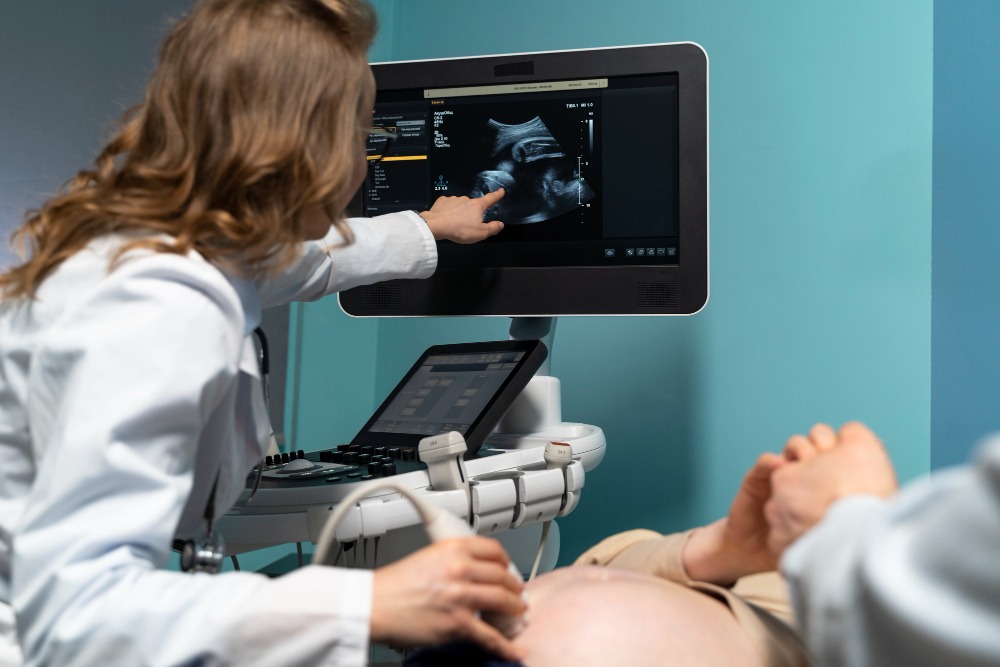
Dr Vuppala Harika Best Gynecologist in Warangal
Dr Vuppala Harika provides comprehensive care for women at different stages of life. From menstrual concerns and PCOS to fertility support and pregnancy care, gynecological consultations can help identify problems early and provide appropriate treatment.
Women may consult a gynecologist for concerns such as:
- Irregular or painful periods
- PCOS and hormonal problems
- Vaginal infections
- Fertility concerns
- Cervical health and screening
- Pregnancy planning
- Menopause-related concerns
If you are looking for Dr Vuppala Harika Best Gynecologist in Warangal, understanding your specific concern can help you determine the type of care you may need.
12+ Years of Experience in Obstetrics and Gynaecology
Experience is important when managing women's health because every patient can have different symptoms, medical history, and treatment requirements.
With 12+ Years of Experience in Obstetrics and Gynaecology, Dr Vuppala Harika provides care covering both general gynecological concerns and pregnancy-related needs.
Regular gynecological consultations can help women understand changes in their reproductive health and receive medical guidance when symptoms occur.
Pregnancy also requires continuous monitoring because the health needs of the mother and baby can change throughout the different stages of pregnancy.
PCOS Treatment in Warangal
Polycystic Ovary Syndrome, commonly known as PCOS, is a hormonal condition that can affect menstrual cycles, ovulation, skin, weight, and fertility.
Some women with PCOS may experience:
- Irregular periods
- Acne
- Excess facial or body hair
- Weight changes
- Difficulty with ovulation
- Fertility problems
Treatment for PCOS depends on the woman's symptoms, age, health goals, and whether she is planning a pregnancy.
Treatment may include lifestyle changes, medicines, menstrual-cycle management, or fertility support when required.
A gynecologist can assess the symptoms and recommend an appropriate treatment plan instead of relying on self-diagnosis.
Pap Smear and Cervical Screening in Warangal
A Pap smear, also known as a Pap test, is a screening test used to identify abnormal changes in cervical cells.
Regular Pap smear / cervical screening can help detect cervical cell changes before they develop into more serious problems.
The recommended screening schedule can vary based on age, previous test results, and individual risk factors. Your gynecologist can explain when screening is appropriate for you.
Women should also discuss symptoms such as unusual bleeding, bleeding after intercourse, or persistent unusual vaginal discharge with their doctor.
Treatment for Vaginal Infections in Warangal
Vaginal infections can cause symptoms such as itching, irritation, unusual discharge, unpleasant odour, or discomfort while urinating.
Different infections can have different causes, so treatment should be based on proper medical evaluation.
Treatment for vaginal infections may involve medicines depending on the underlying cause. Avoiding self-medication is important because using the wrong medicine may not address the actual problem.
If symptoms continue, recur frequently, or are accompanied by pain or fever, medical consultation is recommended.
Fertility Treatment and Ovulation Support in Warangal
Difficulty becoming pregnant can have several possible causes involving either partner. In women, problems with ovulation, hormonal changes, blocked fallopian tubes, age-related fertility changes, and other conditions may contribute.
Fertility and ovulation treatment begins with understanding the possible reason for difficulty conceiving.
Depending on the individual situation, a doctor may recommend:
- Ovulation assessment
- Hormonal evaluation
- Ovulation-support medicines
- Ultrasound monitoring
- Fertility-related investigations
- Other fertility treatments when appropriate
The treatment plan depends on the woman's age, health history, menstrual cycle, and fertility goals.
Fertility Specialist in Warangal
Women who have been trying to conceive without success may benefit from consulting a Fertility Specialist in Warangal.
Fertility care is not limited to one particular treatment. The first step is usually understanding the patient's medical history and identifying possible factors affecting conception.
Couples should seek professional guidance rather than waiting indefinitely, particularly when there are irregular periods, known reproductive conditions, previous pregnancy complications, or other fertility concerns.
A fertility consultation can help determine which investigations or treatment options may be appropriate.
Antenatal Care and Pregnancy Check-Ups in Warangal
Once pregnancy is confirmed, regular medical monitoring becomes important.
Antenatal care, also known as pregnancy check-ups, involves monitoring the mother's health and the baby's development throughout pregnancy.
Depending on the stage of pregnancy, appointments may include:
- Blood pressure monitoring
- Weight monitoring
- Blood and urine tests
- Ultrasound examinations
- Monitoring baby's growth
- Checking for pregnancy-related complications
- Dietary and lifestyle guidance
Regular antenatal visits also give women an opportunity to discuss symptoms, discomfort, nutrition, medicines, and concerns about pregnancy.
Normal Vaginal Delivery Care in Warangal
Many pregnant women hope to have a normal vaginal delivery. However, the method of delivery depends on the health and circumstances of the mother and baby.
Normal vaginal delivery may be possible when the pregnancy is progressing safely and there are no medical reasons requiring another approach.
Throughout pregnancy, doctors monitor factors that can influence delivery, including the baby's position, maternal health, pregnancy complications, and labour progression.
The priority is always safe delivery and appropriate care for both mother and baby.
Cesarean Section (C-Section) Care in Warangal
A Cesarean section, commonly called a C-section, is a surgical method of delivering a baby through an incision made in the abdomen and uterus.
A C-section may be recommended when vaginal delivery could pose a significant risk to the mother or baby, or when complications arise during pregnancy or labour.
Possible reasons may include certain placenta-related problems, fetal position, signs of fetal distress, labour complications, or previous medical history.
Cesarean section (C-section) decisions should be based on the individual pregnancy rather than assumptions about which delivery method is universally better.
Your obstetrician will explain the reason for recommending a C-section and discuss the procedure and recovery process.
Understanding the Difference Between a Gynecologist and Obstetrician
In simple terms, gynecology focuses on women's reproductive health, while obstetrics focuses on pregnancy and childbirth.
However, many doctors are trained in both areas and practise as obstetrician-gynaecologists. This allows women to receive continuity of care from routine reproductive health through pregnancy and delivery.
You do not necessarily need to choose one specialty based only on the name. Your symptoms and stage of life can help determine the appropriate consultation.
Comprehensive Women's Healthcare in Warangal
Women's healthcare involves much more than pregnancy. Regular gynecological care can help women address reproductive health concerns, hormonal conditions, infections, fertility problems, and cervical health.
For women planning a pregnancy, antenatal care provides ongoing monitoring throughout pregnancy. When delivery approaches, the obstetrician evaluates the mother and baby and recommends the safest delivery plan based on the individual situation.
If you are experiencing a gynecological concern, planning a pregnancy, or already pregnant, timely medical consultation can help you understand your options and receive appropriate care.
Consult Dr Vuppala Harika at Riya Hospitals, Warangal, for comprehensive obstetrics and gynaecology care tailored to your individual health needs.
Frequently Asked Questions
A gynecologist focuses on women's reproductive health, including periods, hormonal concerns, PCOS, infections, fertility, and cervical health. An obstetrician primarily focuses on pregnancy, childbirth, and care before and after delivery. Many doctors are trained in both areas as obstetrician-gynaecologists.
You may consult a gynecologist for irregular or painful periods, PCOS, hormonal concerns, vaginal infections, fertility problems, cervical screening, pregnancy planning, menopause-related concerns, or other reproductive health issues.
Dr Vuppala Harika provides comprehensive obstetrics and gynaecology care, including gynecological consultations, PCOS management, fertility and ovulation support, antenatal care, pregnancy monitoring, and delivery-related care based on individual medical needs.
PCOS, or Polycystic Ovary Syndrome, is a hormonal condition that can affect periods, ovulation, skin, weight, and fertility. Treatment depends on the individual's symptoms and health goals and may include lifestyle changes, medicines, menstrual-cycle management, or fertility support when required.
Antenatal care helps monitor the health of the mother and baby's development throughout pregnancy. Depending on the stage of pregnancy, check-ups may include blood pressure monitoring, blood and urine tests, ultrasound examinations, growth monitoring, and assessment for pregnancy-related complications.
A C-section may be recommended when vaginal delivery could pose a significant risk to the mother or baby, or when complications occur during pregnancy or labour. The decision depends on the individual pregnancy, the health of the mother and baby, and the medical circumstances at the time.
Yes. A gynecologist can assess menstrual and ovulation patterns, review medical history, recommend appropriate investigations, and provide fertility or ovulation support when appropriate. Some couples may also benefit from consultation with a fertility specialist.
An obstetrician or an obstetrician-gynaecologist can provide pregnancy and childbirth care. Regular antenatal consultations help monitor the mother and baby and allow the doctor to recommend an appropriate delivery plan based on the individual pregnancy.