

Knee Pain in Adults: Expert Diagnosis and Treatment by the Best Orthopedic Doctor in Warangal
Knee pain is a common problem among adults of different age groups. While young adults may experience knee pain due to sports injuries, muscle strain, or excessive physical activity, older adults often develop knee problems because of arthritis, age-related changes, and joint wear and tear. If ignored, persistent knee pain can affect walking, climbing stairs, exercising, and everyday activities.
Identifying the actual cause is important for choosing the right treatment. Consulting the Best Orthopedic Doctor in Warangal can help patients receive an accurate diagnosis and suitable treatment, including surgical care when necessary. At Riya Hospitals, patients can seek orthopedic guidance for knee pain, joint problems, and other bone-related conditions.
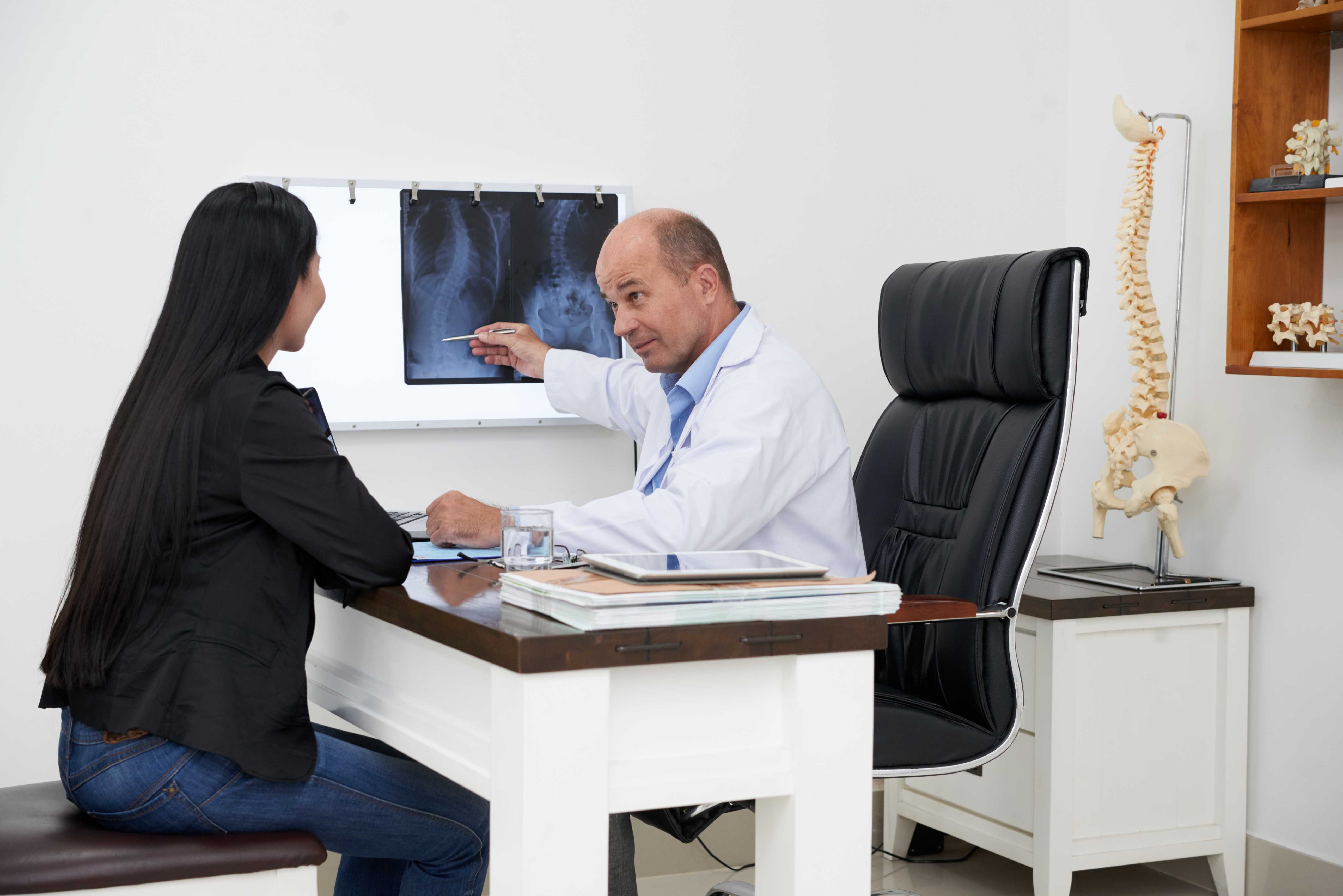
What Are the Most Common Causes of Knee Pain in Young Adults?
Knee pain in young adults is commonly associated with physical activity, injuries, and lifestyle habits. Some common causes include:
- Sports injuries: Sudden movements, twisting, or direct impact can damage knee ligaments and cartilage.
- Muscle strain: Overexercising or improper workout techniques can put pressure on the knee.
- Patellofemoral pain: Pain around the kneecap may develop due to running, jumping, or climbing stairs.
- Meniscus injuries: Twisting movements can damage the cartilage that cushions the knee joint.
- Excess body weight: Additional weight increases pressure on the knee joints.
Early knee pain treatment can help prevent minor problems from becoming more serious.
Why Do Older Adults Experience Frequent Knee Joint Pain?
As people grow older, the cartilage that protects their joints may gradually wear down. This can cause stiffness, discomfort, and difficulty moving.
Common reasons include:
- Age-related joint degeneration.
- Osteoarthritis and other joint conditions.
- Previous knee injuries.
- Weakness in the muscles supporting the knee.
- Excess body weight and reduced physical activity.
Older adults should not ignore continuous knee discomfort. Consulting a Bone specialist can help identify the cause and recommend appropriate care.
Can Arthritis Cause Severe Knee Pain in Young and Older Adults?
Yes. Arthritis is one of the common causes of knee pain. Osteoarthritis develops when the protective cartilage in a joint gradually breaks down. Rheumatoid arthritis is an inflammatory condition that can also affect knee joints.
Common symptoms include:
- Pain during walking or movement.
- Swelling around the knee.
- Morning stiffness.
- Reduced joint flexibility.
- Difficulty standing for long periods.
Depending on the condition, Arthritis treatment may include medication, physiotherapy, lifestyle changes, and sometimes surgery.
What Are the Early Warning Signs That You Need Knee Pain Treatment?
Recognising early symptoms can help patients seek timely medical attention.
Watch for these warning signs:
- Knee pain that continues for several days or keeps returning.
- Swelling, redness, or warmth around the joint.
- Difficulty bending or straightening the knee.
- A feeling that the knee may give way.
- Pain while climbing stairs or walking.
- Stiffness after sitting or resting.
Severe pain, inability to bear weight, major swelling, or a visibly deformed knee requires prompt medical evaluation.
How Does a Bone Specialist Diagnose the Causes of Knee Pain?
A specialist begins by understanding the patient's symptoms, medical history, lifestyle, and previous injuries. A physical examination helps assess knee movement, swelling, stability, and tenderness.
Depending on the findings, investigations may include:
- X-rays: To identify bone changes and joint-space narrowing.
- MRI scans: To examine ligaments, cartilage, and other soft tissues.
- Blood tests: When an inflammatory or other medical condition is suspected.
An accurate diagnosis helps the Best orthopedic surgeon decide whether non-surgical treatment or an operation may be appropriate.
What Are the Best Treatment Options for Knee Pain Without Surgery?
Not every knee problem requires surgery. Many patients can manage their symptoms through non-surgical treatment, depending on the diagnosis.
Treatment options may include:
- Medication: To manage pain and inflammation when prescribed.
- Physiotherapy: Exercises to improve strength, flexibility, and joint movement.
- Weight management: Maintaining a healthy weight can reduce pressure on the knees.
- Activity modification: Avoiding movements that worsen symptoms while maintaining suitable physical activity.
- Supportive devices: Braces or walking aids may help selected patients.
The treatment plan should be personalised according to the patient's condition and overall health.
When Do You Need Knee Replacement Surgery? Consult the Best Orthopedic Surgeon.
Knee replacement may be recommended when severe joint damage causes persistent pain and limits everyday activities, particularly when other treatments have not provided sufficient relief.
During knee replacement, damaged joint surfaces are replaced with artificial components designed to restore joint function and reduce pain.
A Best orthopedic surgeon evaluates several factors before recommending surgery, including:
- Severity of joint damage.
- Pain levels and mobility limitations.
- Response to previous treatments.
- General health and suitability for surgery.
Knee replacement is not necessary for everyone with knee pain. The decision should follow a detailed orthopedic assessment.
Can Sports Injuries Cause Long-Term Knee Joint Problems?
Yes. Certain sports injuries can lead to long-term knee problems if they are not diagnosed and managed properly.
Injuries involving the ACL, meniscus, or other knee structures may affect joint stability and movement. Repeated injuries can also increase the risk of future joint damage.
A Sports injury specialist can assess the injury and recommend suitable treatment, rehabilitation, and a safe return-to-activity plan.
How Are Knee Pain, Back Pain and Joint Pain Connected?
The knees, hips, ankles, and spine work together to support body movement. Problems in one area can sometimes affect the way a person walks and place additional pressure on other joints.
For example, back pain may change posture and walking patterns, while knee pain may cause a person to shift weight unevenly. This can contribute to discomfort in other areas.
A Back pain specialist or orthopedic doctor can evaluate these connected problems. Proper Joint pain treatment should address the underlying cause rather than focusing only on the painful area.
When Should You Visit an Orthopedic Clinic Near Me in Warangal for Knee Pain Treatment?
If knee pain affects your daily routine, walking, or sleep, consider consulting an orthopedic specialist. Searching for an Orthopedic Clinic Near Me in Warangal can help you find medical support for persistent joint problems.
At Riya Hospitals, patients can seek orthopedic consultation for knee pain, arthritis, sports injuries, and other musculoskeletal conditions.
Eligible patients may also enquire about Orthopedic Surgeries Under the Rajiv Aarogyasri Scheme. Coverage depends on the approved procedure, eligibility, scheme rules, and hospital empanelment. Confirm the availability of the required procedure and applicable conditions with the hospital before proceeding.
Frequently Asked Questions About Knee Pain and Orthopedic Treatment
Consult the Best Orthopedic Doctor in Warangal if pain persists, swelling develops, or walking becomes difficult. Early evaluation can help identify the cause and prevent further complications.
The causes vary with age. Injuries and overuse are common in younger adults, while osteoarthritis and age-related joint changes are frequent causes in older adults. The Best Orthopedic Doctor in Warangal can help identify the exact cause.
Yes. Many knee conditions improve with medication, physiotherapy, activity changes, and weight management. The Best Orthopedic Doctor in Warangal can recommend treatment based on the diagnosis and severity.
Knee replacement may be considered when severe joint damage causes ongoing pain and limits daily activities despite other treatments. The Best Orthopedic Doctor in Warangal can assess whether surgery is suitable.
Certain approved orthopedic procedures may be covered for eligible beneficiaries at participating hospitals. Patients should confirm the procedure's coverage, eligibility, and approval requirements with the hospital.
Yes. Untreated ligament or cartilage injuries may contribute to ongoing instability and joint problems. The Best Orthopedic Doctor in Warangal can assess sports-related injuries and guide appropriate treatment.